

Anderson Lawn Mowing Services
Choose Anderson Lawn Mowing for reliable, professional service that keeps your yard looking its best all season long—enjoy more free time while we handle the hard work with precision and care.
Get a Free QuoteOur Anderson Landscaping & Yard Care Services
When to Schedule Lawn Mowing in Anderson, Ohio – Seasonal Guide
In Anderson, Ohio, timing your lawn mowing is crucial for maintaining a healthy, vibrant yard throughout the year. The local climate, with its distinct seasons and variable precipitation, means that mowing schedules should adapt to changing conditions. Typically, the mowing season begins in early April, after the last frost, and continues through late October. Neighborhoods near Juilfs Park and along the Little Miami River often experience microclimates—such as increased humidity or shade from mature trees—that can affect grass growth rates and mowing frequency.
Local environmental factors play a significant role in determining the best times to mow. For example, areas with heavy clay soils, common in Anderson, may retain moisture longer, while properties near Summit Estates or Forest Hills might face more drought stress during summer. It's also important to consider municipal guidelines and local resources like the Anderson Township website for updates on community landscaping recommendations.
Local Factors to Consider for Lawn Mowing in Anderson
- Tree density and shade coverage, especially in neighborhoods like Turpin Hills
- Terrain and slope, which can impact mowing safety and grass health
- Seasonal precipitation patterns and risk of drought
- Soil type, such as clay or loam, affecting drainage and growth
- Municipal restrictions or recommended mowing heights
- Proximity to water features, which may increase humidity and mowing needs
Benefits of Lawn Mowing in Anderson

Professional Lawn Care Expertise
Consistent and Reliable Scheduling
Enhanced Curb Appeal
Time and Effort Savings
Healthier, Greener Lawns
Eco-Friendly Landscaping Practices
Anderson Lawn Mowing Types

Residential Lawn Mowing
-
Commercial Lawn Mowing
-
Zero-Turn Mowing
-
Push Mower Services
-
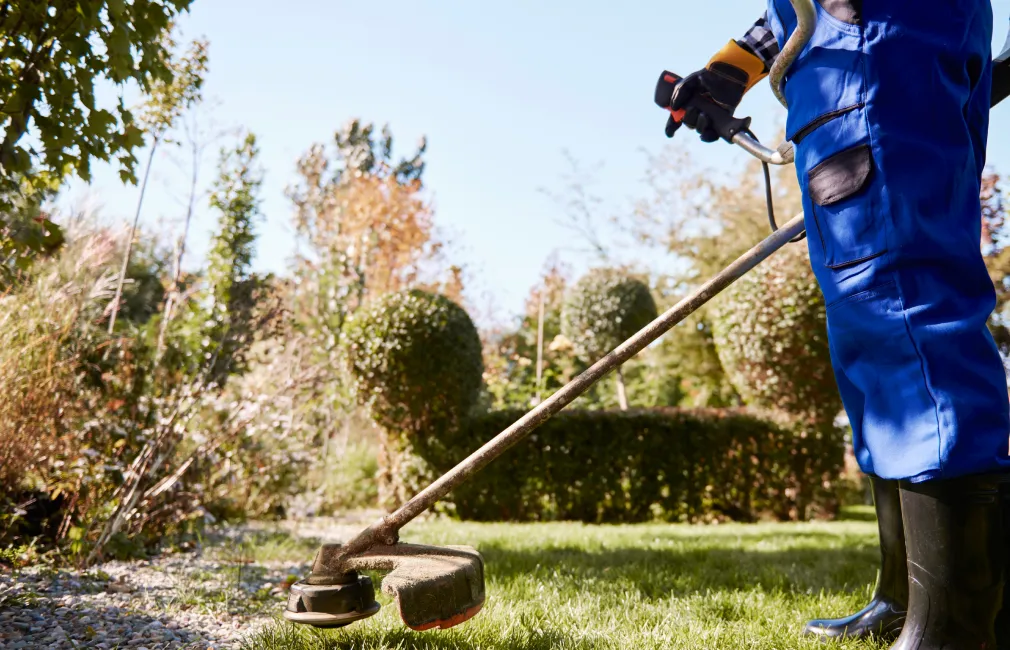
Trimming and Edging
-
Seasonal Clean-Up Mowing
-
Large Acreage Mowing
Our Lawn Mowing Process
Site Evaluation
Equipment Preparation
Mowing Execution
Edging and Trimming
Cleanup
Why Choose Anderson Landscape Services

-
Anderson Homeowners Trust Us
-
Expert Lawn Maintenance
-
Reliable Seasonal Cleanup
-
Competitive Pricing
-
Professional Team
-
Satisfaction Guarantee
-
Personalized Service
Anderson’s Predominant Soil Series and Mowing Best Practices
Lawn mowing in Anderson, OH requires careful consideration of the township’s dominant soil types, which include Clermont silt loam and Rossmoyne silt loam, as identified by the USDA Web Soil Survey. These soils are moderately well-drained, with pH levels typically ranging from 6.0 to 6.8, and may exhibit compaction in developed neighborhoods. For optimal turf health, mow cool-season grasses such as Kentucky bluegrass (Poa pratensis) and perennial ryegrass (Lolium perenne) at a height of 2.5-3.5 inches. Core aeration to a depth of 2-3 inches is recommended every 2-3 years to alleviate compaction. Soil testing through OSU Extension is advised for precise amendment recommendations. Avoid mowing when soils are saturated to prevent rutting and compaction.
Anderson Township Public Works Department
7850 Five Mile Road, Anderson, OH 45230
Phone: (513) 688-8400
Official Website: Anderson Township Public Works Department
Seasonal Lawn Mowing Timing and Weather Considerations in Anderson
Anderson is located in USDA Hardiness Zone 6a, with a typical growing season from mid-April through late October. The National Weather Service Wilmington Office provides local forecasts critical for scheduling mowing operations. Optimal mowing frequency is weekly from late April to mid-June and again from late August through September, when cool-season grasses are most active. Avoid mowing during periods of drought or when daytime temperatures exceed 85°F to reduce turf stress. Key timing guidelines include:
- Spring mowing: Begins mid-April (soil temp 50-55°F)
- Summer: Reduce frequency during July-August heat
- Fall: Continue until grass growth ceases, typically late October Monitor rainfall and soil moisture to prevent equipment damage and soil compaction. For weather-related scheduling, consult the NWS local office.
Municipal Ordinances and Equipment Operation Standards for Anderson Lawn Mowing
Lawn mowing in Anderson is subject to township noise ordinances and equipment operation standards. Permitted hours for powered lawn equipment are:
- Monday-Friday: 7:00 AM - 7:00 PM
- Saturday: 8:00 AM - 6:00 PM
- Sunday and holidays: Prohibited All commercial operators must ensure equipment mufflers are functional and noise does not exceed 85 decibels at property lines. Clippings and yard waste must not be deposited in public rights-of-way or storm drains, in accordance with Anderson’s MS4 permit and the Clean Water Act. Weekly yard waste collection is available April through November; use biodegradable bags or 32-gallon containers. Prohibited materials include plastic bags and branches over 4 inches in diameter.
Anderson Township Planning and Zoning
7850 Five Mile Road, Anderson, OH 45230
Phone: (513) 688-8600
Official Website: Anderson Township Planning and Zoning
Environmental Compliance: Stormwater, Buffer Zones, and State Regulations in Anderson
Proper lawn mowing practices in Anderson must comply with state and federal environmental regulations to protect local waterways such as the Little Miami River and area wetlands. The Ohio Environmental Protection Agency enforces MS4 stormwater requirements, prohibiting grass clippings and fertilizers from entering storm drains. Maintain a minimum 25-foot no-mow buffer from wetlands and water bodies. Fertilizer application is restricted within 50 feet of streams to prevent nutrient runoff. The Ohio Environmental Protection Act and EPA Region 5 provide further guidance on compliance. For technical assistance, consult OSU Extension.
Hamilton County Environmental Services
250 William Howard Taft Road, Cincinnati, OH 45219
Phone: (513) 946-7777
Official Website: Hamilton County Environmental Services
Professional Safety Protocols and Equipment Standards for Anderson Lawn Mowing
Adhering to professional safety standards is essential for all lawn mowing operations in Anderson. Operators must use commercial-grade 4-stroke mowers, sharpen blades every 20-25 hours of use, and maintain a 15-foot clearance from overhead power lines. Required personal protective equipment (PPE) includes:
- Eye protection: ANSI Z87.1 safety glasses
- Hearing protection: Earmuffs or plugs for 85+ dB noise
- Footwear: Steel-toed boots with non-slip soles
- Gloves: Cut-resistant for blade handling All personnel working within 50 feet of public roads must wear high-visibility vests. Traffic control measures, such as cones and advance warning signs, are required when mowing near roadways. For additional safety guidance, coordinate with the township’s public works department.
Anderson Township Public Works Department
7850 Five Mile Road, Anderson, OH 45230
Phone: (513) 688-8400
Official Website: Anderson Township Public Works Department
What Neighborhoods Do We Serve Throughout Anderson, OH?
- Cherry Grove: Features mature tree canopies and moderate slopes, requiring careful mowing to manage leaf debris and prevent soil compaction near root zones.
- Forest Hills: Characterized by larger lots and newer developments with well-drained soils, allowing for efficient mowing but requiring attention to HOA landscaping standards.
- Turpin Hills: Contains established lawns on gently rolling terrain, with occasional drainage challenges near wooded areas and proximity to the Little Miami River.
- Sherwood Forest: Noted for dense residential layouts and narrow streets, necessitating smaller equipment and heightened attention to pedestrian safety during mowing operations.
- Summit Estates: Located near conservation areas, this neighborhood requires strict adherence to buffer zones and stormwater management practices to protect sensitive habitats.
- Watch Hill: Features upscale properties with extensive landscaping and irrigation systems, demanding precise mowing heights and careful navigation around ornamental plantings.
- Clough Pike Corridor: Includes mixed-use and commercial properties with high traffic volumes, requiring coordinated mowing schedules and enhanced safety protocols for roadside work.